

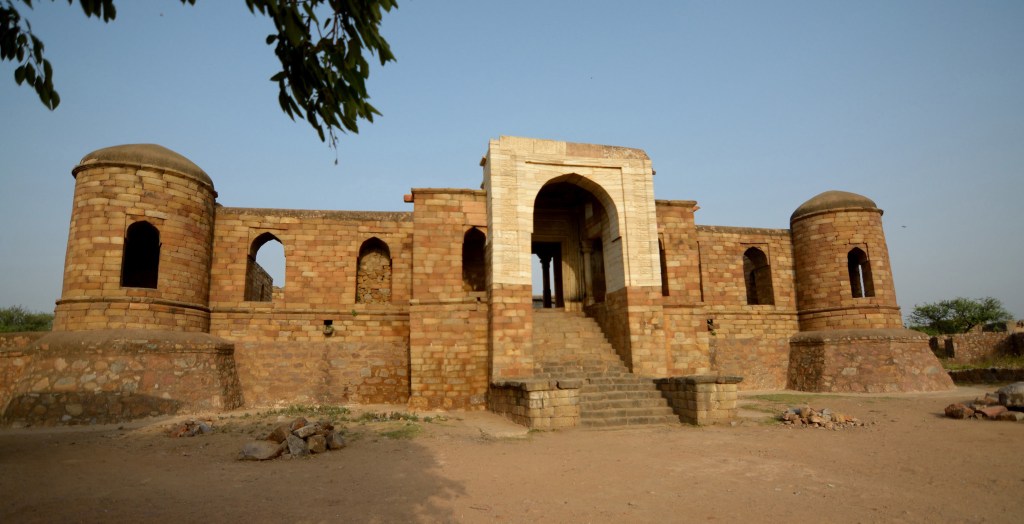
Not far from one of Delhi’s most-visited monuments lies one of India’s best-kept secrets. At almost 800 years old, it is the oldest surviving Islamic tomb in India—the mausoleum of Nasir ud-Din Mahmud, brother of Razia Sultan and eldest son of Sultan Shams-ud-Din Iltutmish (1167-1236). Built in 1231-1232, Sultan Ghari precedes all other royal mausoleums in India, except for Qutub-ud-Din Aibak’s tomb in Lahore.
Despite its historical significance, Sultan Ghari often remains in the shadows of the more illustrious Qutub Minar, where Nasir’s father Iltutmish is buried. However, beneath its lesser-known status lies a treasure trove of architectural and historical wonders waiting to be discovered.
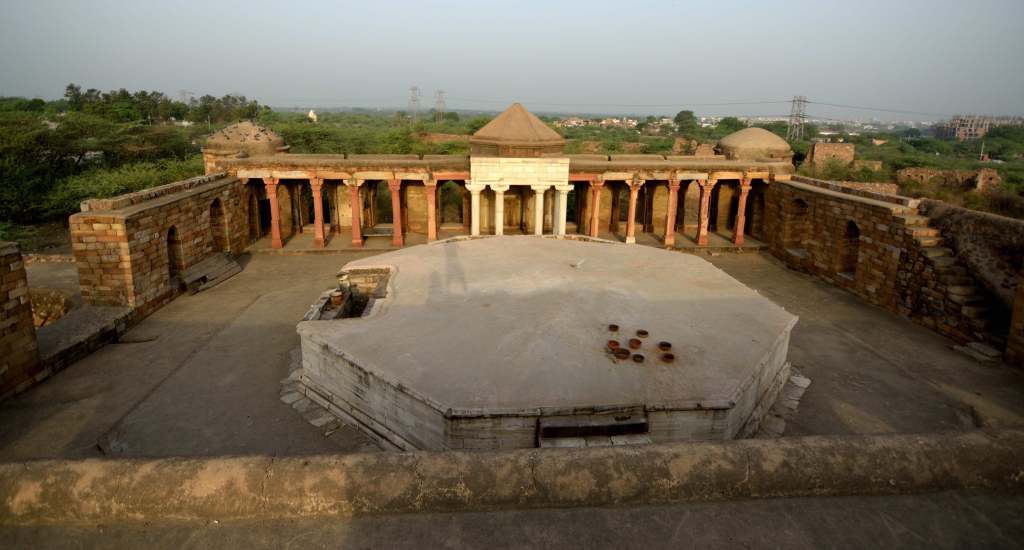
What sets Sultan Ghari apart is its unique architectural character. Viewed from within or from the entrance, it gives the impression of a fortified stronghold rather than a traditional burial chamber. The bastions, crafted from sturdy red sandstone, create an aura of guardhouses protecting their master. Even today, they stand proudly, their weathered surfaces telling tales of centuries past. It is the only mausoleum in India, and possibly the world, that does not have a tomb covering the burial chamber. As I explored Sultan Ghari, I was struck by the craftsmanship and attention to detail. The octagonal structure, nestled within a courtyard atop a high square plinth, speaks of ancient architectural prowess

The fusion of Islamic and Hindu elements, including intricately sculpted 7th-century panels and lintels, reflects the cultural diversity of India’s heritage. The tomb is built on the site of a Hindu temple and incorporates Hindu masonry, making it a fascinating study of historical syncretism.
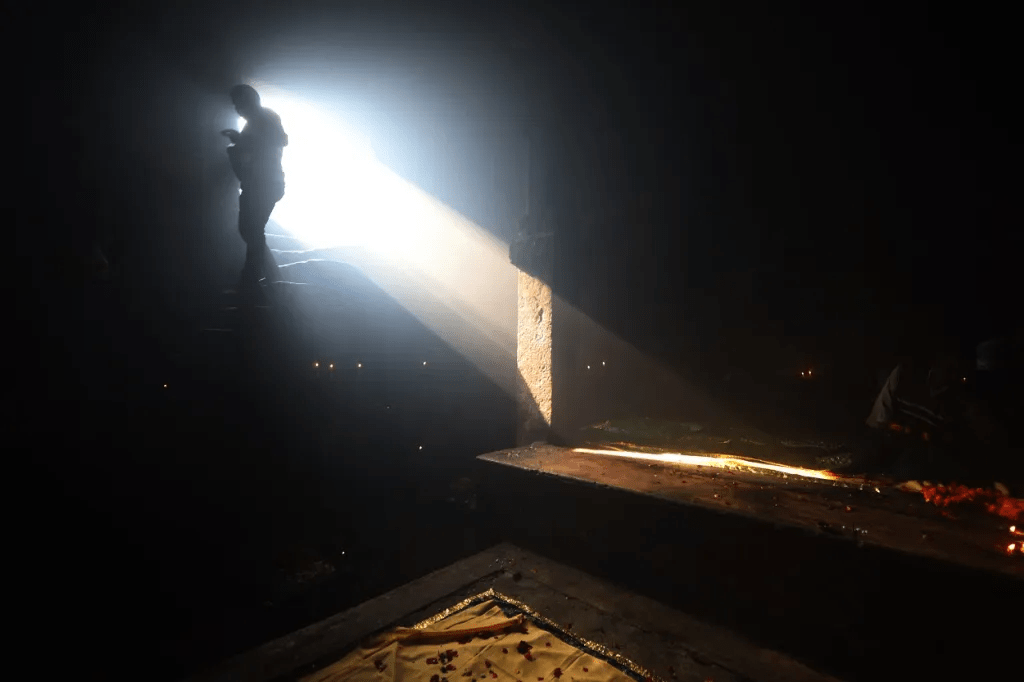
Over the centuries, Nasir ud-Din’s tomb has acquired the status of a dargah, with locals believing it holds the remains of their Pir Baba. Every Thursday, people of all faiths gather to offer their prayers, creating a vibrant tapestry of devotion and reverence. The chamber where Nasir ud-Din and two other unnamed tombs lie is a sight of deep devotion, steeped in the aroma of incense, oil lamps, and candle wax. The floor is covered in flowers, oil, turmeric, and other ritual offerings. The aura of the place is so profound that one can almost hear the prayers of the faithful.
The folklore surrounding Sultan Ghari adds a layer of mystique to its history. As the legend goes, the prince’s days might have been rough, but his nights were a “bed of roses.” Every night, he slept on a bed laid with rose petals, meticulously arranged by a slave girl. One day, the girl succumbed to temptation and decided to see what it felt like to lie down on the bed. The prince was scheduled to return late, so she climbed into the bed, which was so comfortable that she drifted off to sleep—only to be woken up by an angry prince five hours later.
Nasir ud-Din dragged her from the bed and ordered her to be flogged. While under the lash, the girl laughed hysterically. The more she was flogged, the more she laughed. An irate prince commanded that she be whipped harder, but it did nothing to halt her mirth. Finally, completely bewildered, Nasir ud-Din put a stop to it and asked her what exactly it was that she found quite so funny.
The girl brazenly replied that if sleeping on his bed for a mere five hours could leave her feeling so vulnerable, how much weaker it must leave him, who slept on it all his life! The baffled prince stood silent. For a man known as Malik-us-Sharq (king of the east), acknowledged for bravery and grit, to be called a weakling was outrageous. She then told him, “You will never be a king of the land but will be the king of souls.”
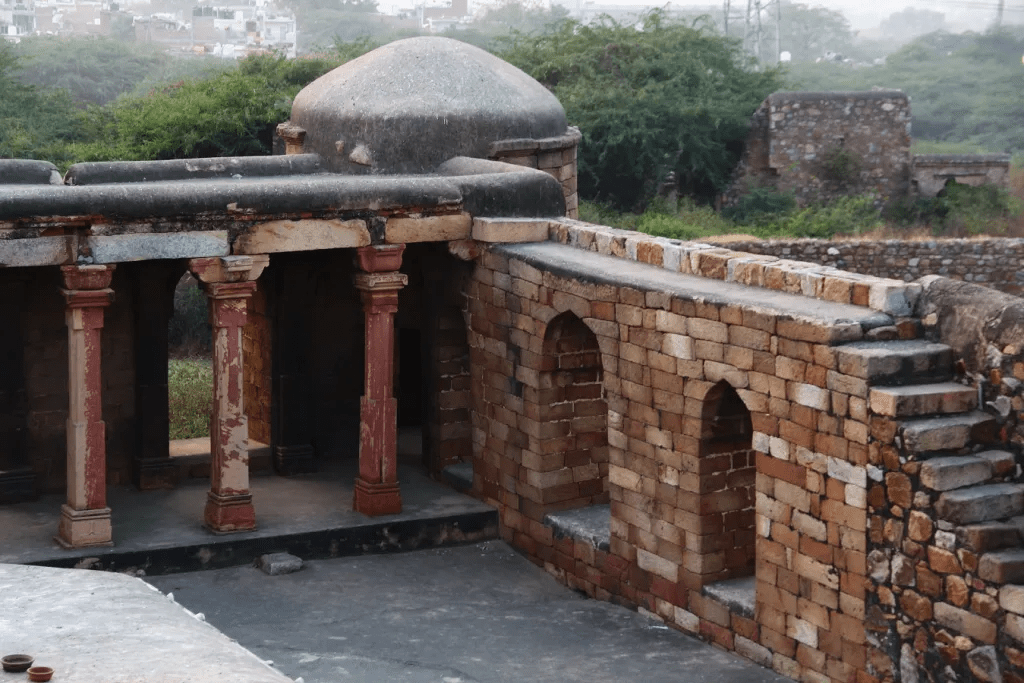
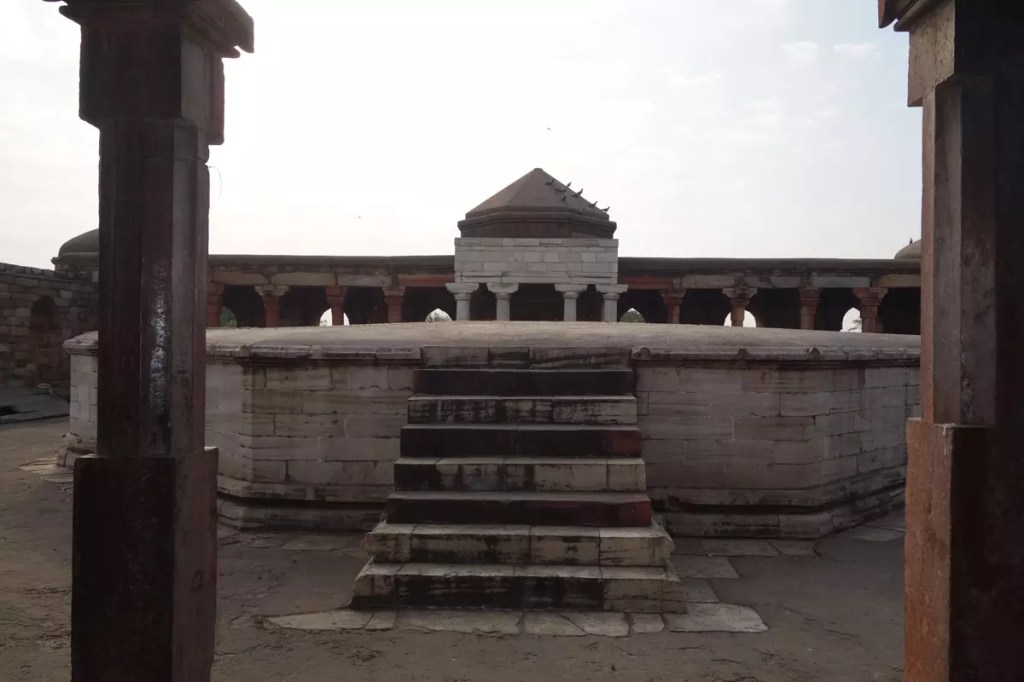
As an avid traveler and photographer, I find Sultan Ghari’s quiet grandeur both humbling and inspiring. Each visit reveals new stories etched in stone, waiting to be told through my lens. The play of light and shadow on the red sandstone, the intricate details of the carvings, and the serene atmosphere create a perfect setting for capturing moments frozen in time.
The best time to visit Sultan Ghari is from October to March when the weather in Delhi is cooler, providing a more comfortable exploration experience. Despite being less visited, Sultan Ghari appeals greatly to photographers and history enthusiasts alike. Its distinctive appearance as a mausoleum that resembles a fort makes it a captivating subject for architectural photography.
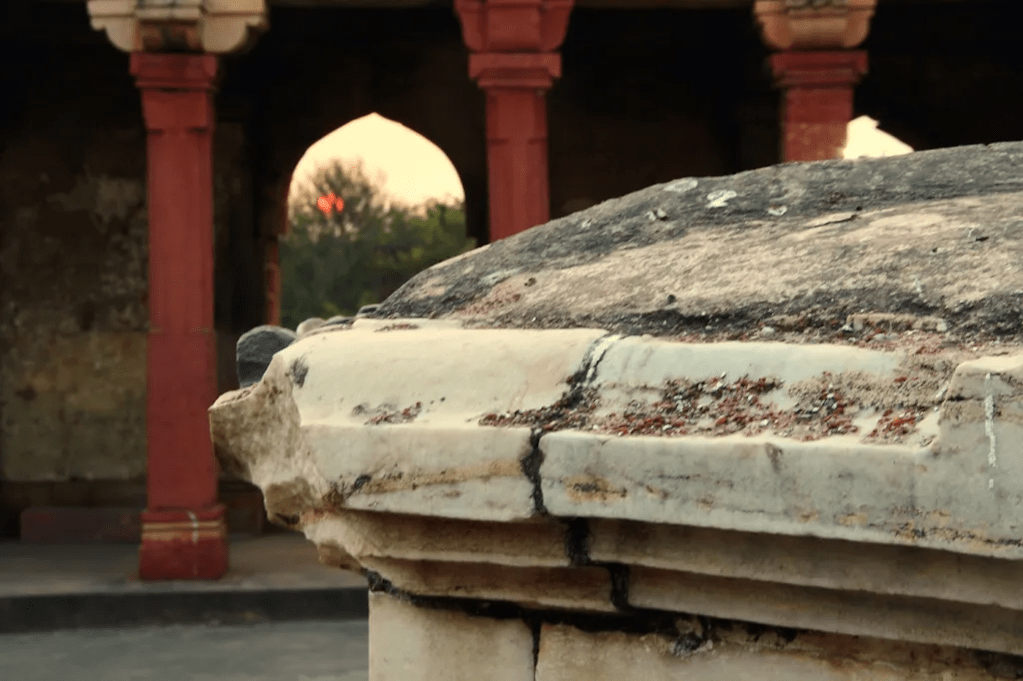
Every day at sunset, this monument in the posh locality of Vasant Kunj yearns for the attention it deserves. Not only is it the resting place of a great warrior of huge importance in Indian history, but it also happens to be the first known Islamic tomb built in India. On the world map, it stands as the only mausoleum of a prince without a tomb covering the burial chamber. The prince who died young still waits for his moment of glory, a silent sentinel to history and devotion.
 Traveler's Diary : Beauty and Architecture